personalised stories
Personalised reading book: one your child can read alone
A story with your child as the hero, written at the book band they can read alone. How it differs from a gift book and which band to choose.
Jeanine Saunders · October 9, 2026 · 6 min read
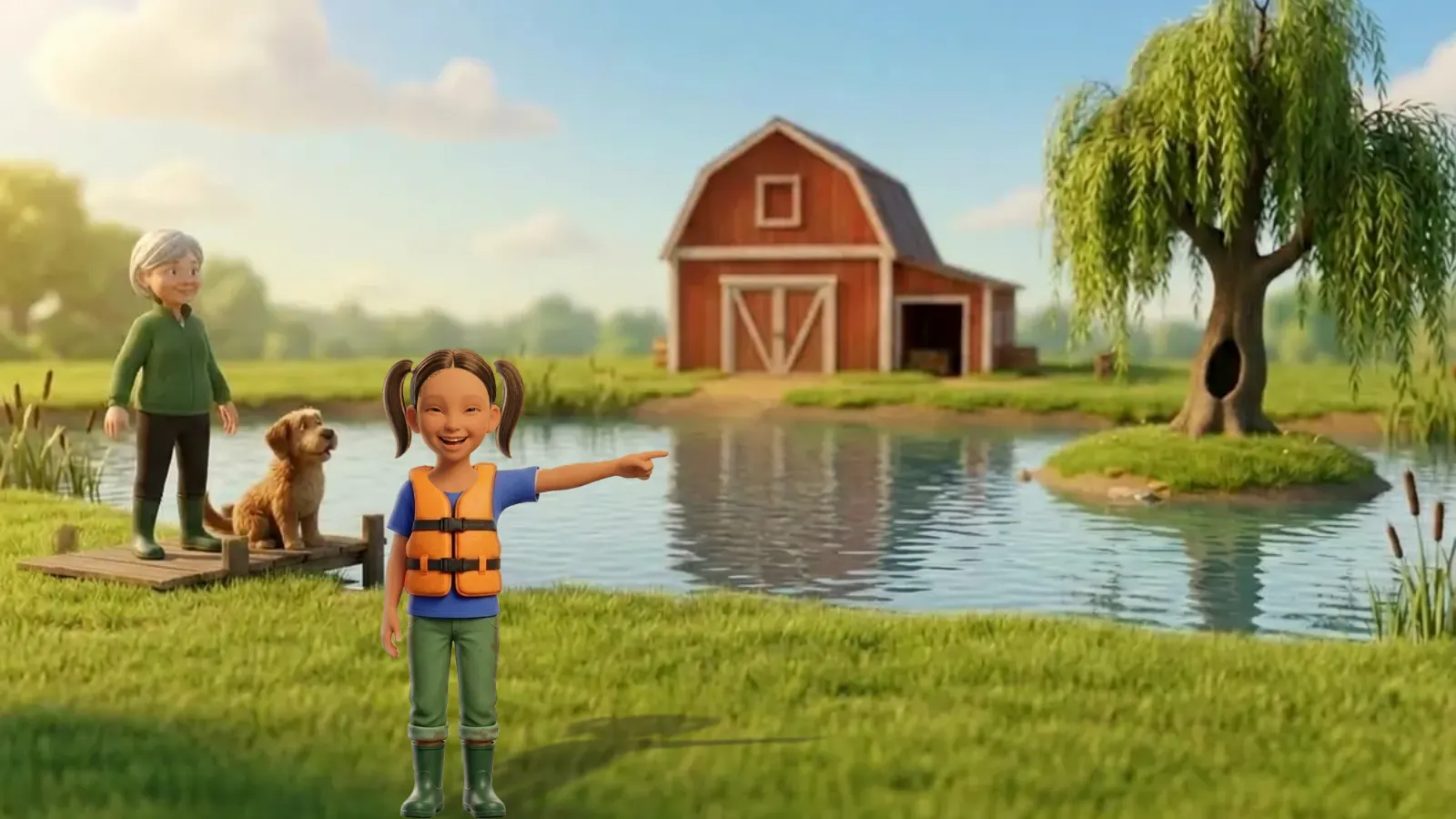
A personalised reading book makes your child the hero of the story and is written at their book band (US: guided reading level), so they can read it without you. Name books are mostly keepsakes for a grown-up to read out loud. Fabliko makes the other kind: short reading stories with your child as the hero, at your child’s reading level (UK book bands, US guided reading levels or Dutch AVI). You read them together on screen or print them at home as a loo poster, and with Fabliko Plus also as a fold-up booklet and word cards.
Gift book or reading book: how do you tell them apart?
Personalised (US: personalized) books tend to be presents, labelled by age rather than reading level. One name book we looked at is recommended for ages 0-8, from a baby to a confident reader. The grown-up does the reading.
When your child starts reading alone in Reception or Year 1, look for:
- short, plain sentences;
- words your child can sound out with the phonics they know;
- the level printed on it, as a book band or guided reading level.
Will your child read better because their name is in the book?
Slightly, and mainly because it draws them in. In a study of seven families, toddlers and parents smiled and laughed more with a book made for that child than with a comparable shop book. In another, eighteen children aged nearly four heard one book twice; a week on, they knew the new words from the personalised pages better.
Both groups were tiny, and the children only listened. A 2025 study then had 96 primary school children read a story themselves. When the hero carried their own first name, they did better at applying what the text said, but they did not recall more of it.
A name on its own does little, though: preschoolers who simply found their name dropped into a story understood its point no better. Natalia Kucirkova, who led the first two studies, tells parents to judge what surrounds the name: the language, the pictures, the story itself. The name gets your child interested; the level decides whether they can read it on their own.
Which book band should you choose for reading alone?
Go for a band your child already reads comfortably, which can be a step below the book from school. Solo reading should flow; stretchier books are for reading together.
In England, the Department for Education says the reading books a school sends home should match the phonics your child can already decode. Read that book first; a personalised story is an extra for afterwards. Our guide to book bands lists the colours in order.
In the US, the letter on a report card is usually the instructional level: text your child reads with a teacher alongside. Drop one step for reading at home alone (guided reading levels by grade).
What do you get on Fabliko?
You start with a profile, one short page in three parts:
- Who. Your child’s first name, boy or girl, and an avatar: you choose skin tone, hairstyle, hair and eye colour, and glasses or freckles.
- How far along. Book bands from Lilac (read aloud) up to Grey, US guided reading levels, or Dutch AVI.
- What they love. Animals, space, vehicles, sport, fairy tales and more.
On the start page you enter your child’s age, not a level; we choose one to match, and you can change it in the profile any time. For a child who reads alone, the profile then suggests stories at their level or up to two levels easier, never harder. Your child’s name runs through the text, and wherever a page has a picture, their avatar plays the lead. Boys and girls each get their own version of every text. On the bands from Pink to Yellow, each sentence has a line to itself in large letters. Every story is written for its level and checked against it, and a person approves it before any child can read it (how we check every story).
Screen, poster or booklet?
On screen, your child reads a story aloud to you. Or print it at home. The free account includes three stories and the poster: an A4 print you tape to the loo door, so your child reads the same story once a day for a week (repeated reading with a loo poster). Plus unlocks a fold-up booklet for stories up to twelve pages long (a printable mini book), twelve word cards on one sheet, and a colouring page wherever a story has line art. Prices are on the pricing page.
FAQ
Do I still read to my child once they can read?
Yes, keep going. Stories read aloud bring words your child would rarely hear in everyday talk, and the book can be well beyond what they read alone. Take turns now and then, a page each.
Does it make a good present?
It can, and there is no parcel to wait for. A Fabliko gift code covers 3 or 12 months of Plus. After paying you get the code and a gift card to print (give a gift).
Will you need a photo of my child?
No, you build the avatar from a few choices. With any personalised book, check what the company stores about your child. Fabliko’s child profile holds a first name, the avatar, a reading level and interests: no photo, no address, no date of birth.
Sources
- Department for Education: The reading framework
- Oxford Owl: Oxford Reading Tree levels and book bands
- Fountas & Pinnell blog: How high do you test students in the Benchmark Assessment? (2018)
- Kucirkova, Messer & Whitelock (2013), Journal of Early Childhood Literacy
- Kucirkova, Messer & Sheehy (2014), First Language
- Lindhaus, Ehlert & Dutke (2025), European Journal of Psychology of Education
- Kruse, Faller & Read (2020), Early Childhood Education Journal
- Natalia Kucirkova: Personalized books for children, what you need to know (Psychology Today, 2018)
- Wonderbly: Lost My Name
Jeanine Saunders
Educational psychologist
Read next
How we check every personalised story before your child reads it
Every Fabliko story is checked against the rules of one book band or reading level and approved by a person. What to look for, and how we do it.
Book bands explained: what the colours mean
Book bands run from Lilac to Lime and beyond. See the order by school year, what each colour asks of your child and why some schools skip them.
Printable mini book: fold one A4 sheet into an 8 page story
Turn one sheet of A4 or US Letter into an eight page mini book with a single cut. The print settings, the folds and the right reading level.